Reducing Industrial Downtime with Real-Time IoT Alerts
11 June 2026
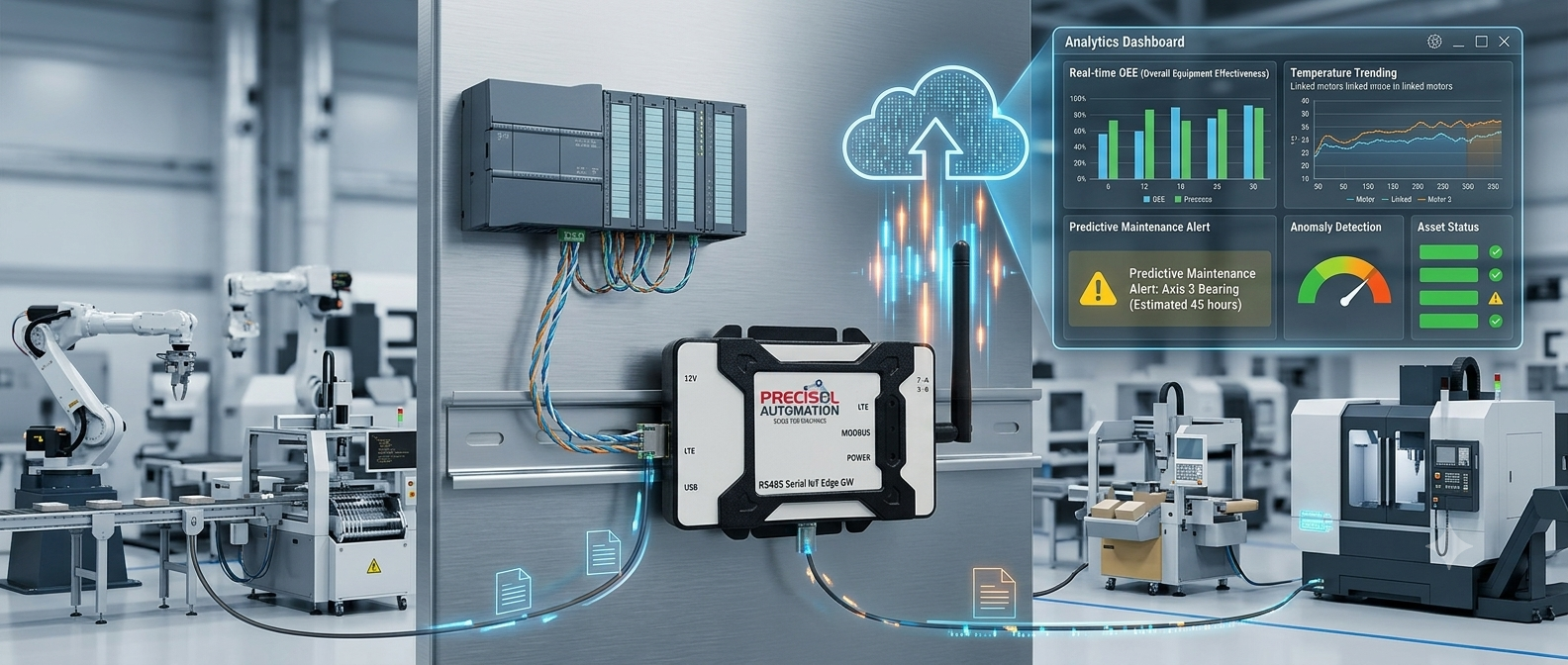
In the high-stakes theater of modern manufacturing, silence is rarely golden. When a primary assembly line stops or a critical turbine falls quiet, the cost isn't just measured in minutes—it's measured in thousands of dollars of lost revenue, cascading supply chain delays, and a compromised reputation. For decades, industrial operations lived by the "break-fix" cycle, a reactive existence where maintenance teams were essentially firefighters waiting for the next alarm.
But the landscape is shifting. We are entering the era of the Zero-Downtime Blueprint, powered by the Industrial Internet of Things (IIoT). Reducing industrial downtime is no longer a luxury reserved for the tech giants; it is a survival mandate for every facility. By integrating real-time IoT alerts into the fabric of production, companies are moving from "hoping nothing breaks" to "knowing exactly when it might."
The Hidden Cost of the "Status Quo"
Before diving into the solution, we must understand the gravity of the problem. Unplanned downtime costs industrial manufacturers an estimated $50 billion annually. The "Status Quo"—relying on manual inspections and scheduled maintenance—often leads to two inefficient extremes: over-maintaining equipment that is perfectly fine, or failing to catch a catastrophic fault in a critical component until it is too late.
Real-time monitoring disrupts this cycle. By utilizing predictive maintenance strategies, facilities can identify microscopic changes in vibration, temperature, or pressure—anomalies that human senses simply cannot detect. The goal is simple: achieve operational excellence through data-driven foresight.
How Real-Time IoT Alerts Work: The Digital Nervous System
At its core, an IoT alert system is a nervous system for a factory. It involves three distinct layers that turn raw mechanical movement into digital intelligence:
- The Sensing Layer (The Edge) Everything starts at the "Edge." Sensors attached to motors, pumps, and conveyors collect raw data. However, the challenge is that many machines speak "old" languages. This is where an IIoT gateway plays a pivotal role. It acts as a translator, taking the serial data (like RS232 or RS485) from the machine and converting it into digital packets that can be understood by modern IT systems.
- The Processing Layer (The Brain) Once the data is digitized, it is analyzed against baseline performance metrics. If a motor’s temperature rises 5 degrees above its normal operating threshold, the system doesn't just log the data—it recognizes a pattern. This is smart manufacturing in action, where data becomes actionable intelligence rather than just numbers on a spreadsheet.
- The Notification Layer (The Action) This is the "Alert" phase. Instead of a technician finding a puddle of oil on a Monday morning, the maintenance manager receives a push notification or email on Sunday night. The alert contains specific context: "Bearing 4 in Unit B is vibrating at an abnormal frequency. Estimated failure in 48 hours." This allows for a scheduled repair during a planned shift change, rather than an emergency shutdown during peak production.
The Triple Benefit: Speed, Safety, and Savings
Implementing a robust IoT alert system provides more than just a "heads up." It transforms the business logic of the factory floor:
- Reduced Mean Time to Repair (MTTR): Technicians no longer spend hours diagnosing the problem. They arrive with the exact tools and replacement parts needed because the alert has already identified the fault.
- Extended Asset Life: Machines aren't run to the point of failure. This prevents the "domino effect," where one broken part causes secondary damage to the entire assembly.
- Enhanced Worker Safety: Predictive alerts can prevent dangerous mechanical failures—such as explosions, leaks, or structural collapses—before they endanger the staff on the floor.
Bridging the Legacy Gap
One of the biggest hurdles in industrial automation is the presence of legacy equipment. Many factories rely on machines that are 20 or 30 years old—reliable workhorses that lack modern connectivity. You don't need to replace a multi-million dollar machine to benefit from IoT. You simply need a way to extract its data.
By using specialized Serial IIoT Gateways, facilities can retrofit old equipment with modern intelligence. This creates a connected factory without the capital-intensive requirement of a total overhaul. By connecting serial-based PLCs and controllers to the cloud, the "dark data" of the past becomes the predictive power of the future.
The Competitive Edge of Industry 4.0
Companies that embrace Industry 4.0 principles are seeing productivity gains of up to 30%. In an era of global competition and razor-thin margins, the ability to reduce industrial downtime directly correlates to better profit margins and more agile production. In a world where customer demands change overnight, a factory that never stops is a factory that always wins.
Empowering Your Journey with Precisol Automation
At Precisol Automation, we understand that the path to a smarter factory begins with reliable, uninterrupted connectivity. We specialize in providing the "glue" that holds the Industrial IoT together, ensuring that your data flows seamlessly from the factory floor to the decision-makers.
Our solutions are designed to bridge the gap between traditional industrial hardware and the modern digital ecosystem. If you are looking to eliminate blind spots in your production line, our Serial IIoT Gateway is the perfect starting point. It provides a robust, industrial-grade solution for converting legacy serial data into cloud-ready insights, ensuring your real-time alerts are accurate, timely, and transformative.
Don't wait for the next breakdown to think about maintenance. Let us help you build a more resilient, proactive, and efficient operation today.