Testing and Validation Systems play a critical role in modern automotive, industrial automation, and embedded system development. Before any product is deployed into the market, its performance, accuracy, safety, and reliability must be thoroughly tested and validated.
By using advanced Testing and Validation Systems, real-world operating conditions can be simulated, potential failures can be identified at an early stage, and overall development time and cost can be significantly reduced. From automotive ECU testing to industrial control and HMI validation, these systems ensure consistent and reliable product performance.
Our Testing and Validation portfolio is designed to support R&D teams, validation engineers, and quality assurance professionals with robust and easy-to-integrate solutions such as Decade Resistance Boxes, Input Output Modules, and HMI Validation Systems.

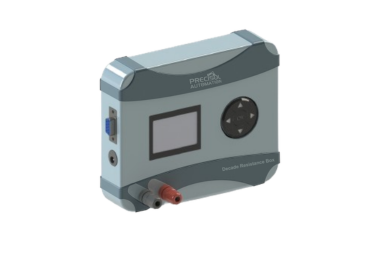
A high-precision Decade Resistance Box designed for sensor simulation, ECU calibration, and electrical validation. Ideal for automotive and industrial testing applications where accurate resistance values are required.
Explore
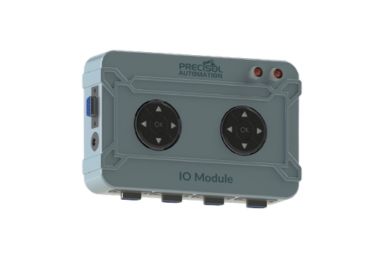
A versatile Input Output Module used for generating and monitoring digital and analog signals. Suitable for Hardware-in-the-Loop (HIL) testing, system validation, and functional testing of control units.
Explore
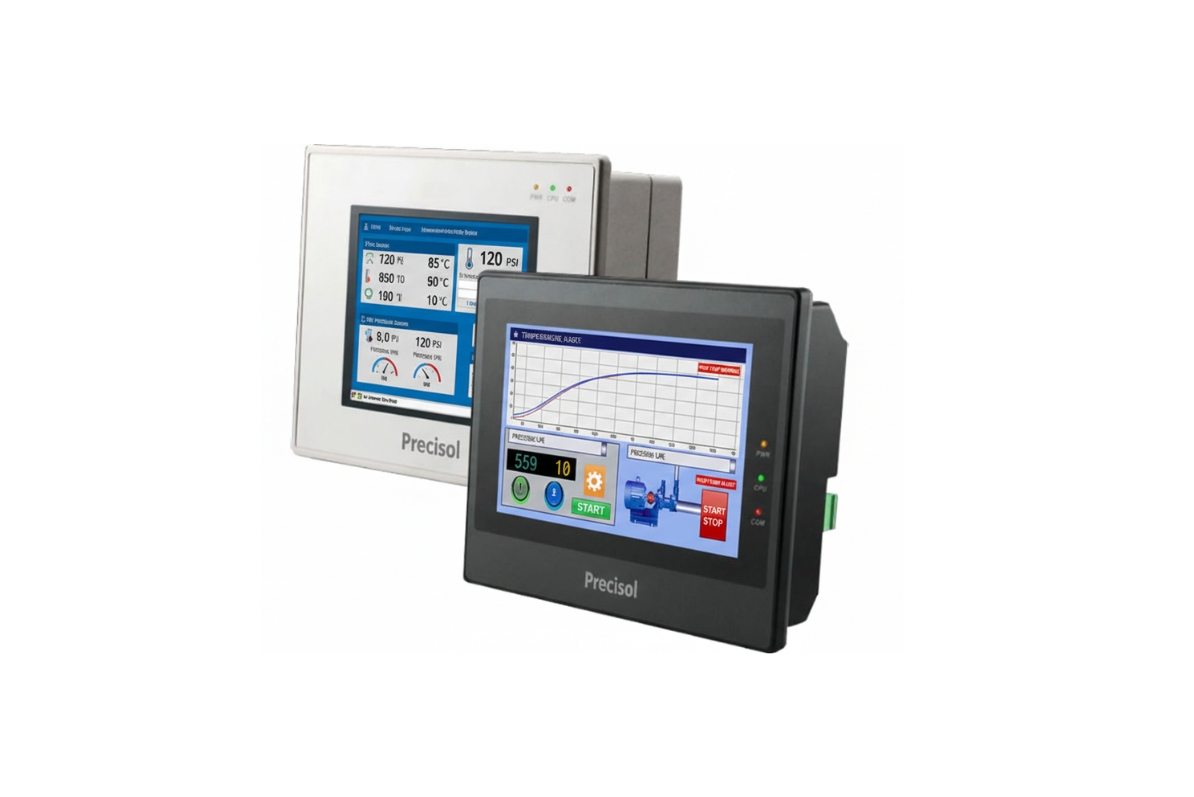
An advanced HMI Validation System designed to test displays, touch interfaces, indicators, and user interaction behavior. Ideal for automotive dashboards and industrial human-machine interfaces.
Explore
Our Decade Resistance Box enables accurate simulation of resistance-based automotive sensors for ECU validation and functional testing. By providing stable and adjustable resistance values, engineers can replicate real-world sensor conditions such as temperature, position, and load inputs without connecting actual vehicle components. This allows validation of ECU logic execution, fault detection behavior, signal interpretation, and response accuracy under different operating scenarios. Engineers can simulate normal conditions, edge cases, and fault states to ensure reliable ECU performance before vehicle integration. Ideal for R&D testing, bench validation, prototype development, and production quality checks, this solution helps reduce development time, improve diagnostic accuracy, and ensure robust automotive electronic system performance.

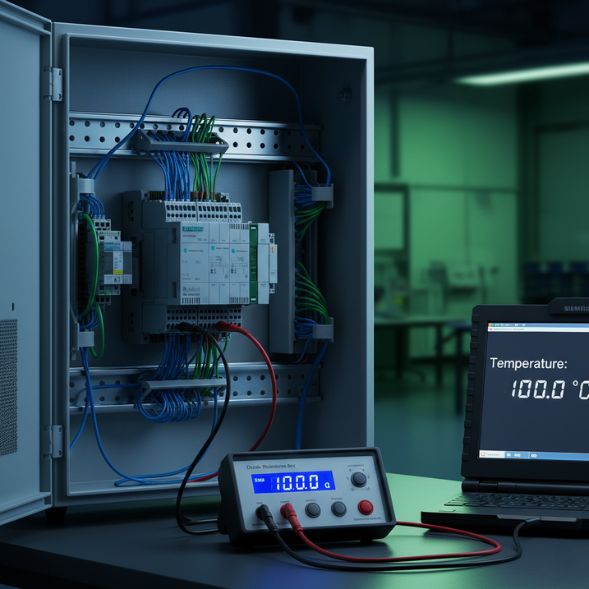
Our Decade Resistance Box is designed to provide precise and stable simulation of RTD and other resistance-based sensor inputs used in PLC analog input modules. Instead of connecting actual field sensors, engineers can set accurate resistance values directly on the box to replicate real temperature conditions. This makes it easier to validate input scaling, check signal linearity, and confirm that the PLC is interpreting sensor data correctly. By supplying adjustable and repeatable resistance values, the system allows detailed verification of temperature mapping (for example, PT100 input ranges), analog signal accuracy, and system response under different operating points. Engineers can test low, mid, and high range values to ensure consistent measurement performance across the entire span. This solution is highly useful during control panel testing, factory acceptance testing (FAT), site commissioning, and routine maintenance validation. It helps confirm correct PLC logic execution, accurate HMI/SCADA display readings, proper alarm triggering, and stable communication within the automation system.