Input/Output Module

IO Module

Input/Output Module


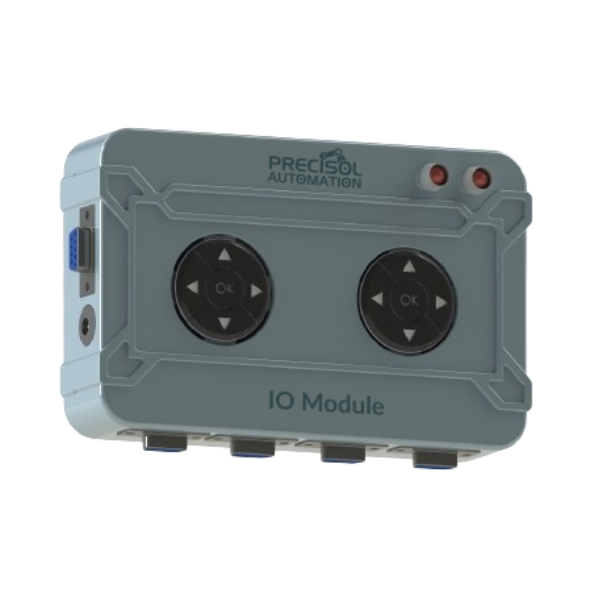
Our IO Module is designed to provide reliable and efficient input and output control over a CAN Bus communication network. The module interfaces with external devices using standard CAN H and CAN L signals, ensuring stable and noise-resistant data transmission in industrial and automotive environments.

By connecting the IO Module to external CAN devices such as CAN-to-USB adapters, Vector CAN interfaces, or CAN gateways, users can easily establish communication for monitoring and control applications. The module allows flexible configuration of CAN bus parameters including baud rate and node settings, enabling smooth integration into existing CAN networks.

Data communication can be initialized and managed using industry-standard Bus Master tools, allowing real-time exchange of input and output data. With its robust design and CAN-based communication capability, the IO Module is well suited for industrial automation systems, vehicle electronics, and distributed control architectures where reliable field-level IO communication is required.

Highlights

CAN-Based Communication

The IO Module uses standard CAN H and CAN L signals to ensure stable, noise-resistant communication. It enables reliable input and output data exchange across industrial and automotive CAN networks.

Easy Setup

The module supports simple configuration of CAN bus parameters and smooth communication initialization using Bus Master tools. It integrates easily with CAN-to-USB adapters, Vector CAN interfaces, and CAN gateways.

Built for Industrial & Vehicle Applications

Designed for demanding automation and vehicle electronics systems, the IO Module is ideal for distributed control and monitoring applications requiring dependable field-level IO performance.

Key Features

  • Standard CAN Protocol Communication
  • Digital & Analog IO Support
  • Configurable CAN Bus Parameters (Baud Rate, Node ID, etc.)
First Image
  • Compatible with Bus Master & CAN Interface Tools
  • High noise immunity for industrial environments
  • Compact and rugged hardware design
Last Image

General Specifications

Power Supply: 12v via adapter

Power consumption: 3.3V, 1A

PC interface: CAN interface

CAN Interface

Single channel CAN 2.0 interface

Supports CAN protocol version 2.0-part A, B

Supports high Speed CAN communication standard ISO 11898-1 (Data link layer) and ISO 11898-2 (Physical layer) Programmable baud rate from 125kbps up to 1Mbps

CAN bus connection via a 9-pin D-Sub connector

Galvanic isolation up to 500 V

ESD Surge protection on CAN bus terminal

CAN channel has built-in 120Ω terminal resistor

Environmental

ABS plastic (IP40) Enclosure

Operating Temperature: -40 °C to +105 °C

Status Indication: LED 1 for Power status

Digital Inputs

Input Switching Threshold: High – 3.3V, Low – 0V

Voltage input (Max): 36V

Applications

Sensor & Actuator interfacing Automotive Systems

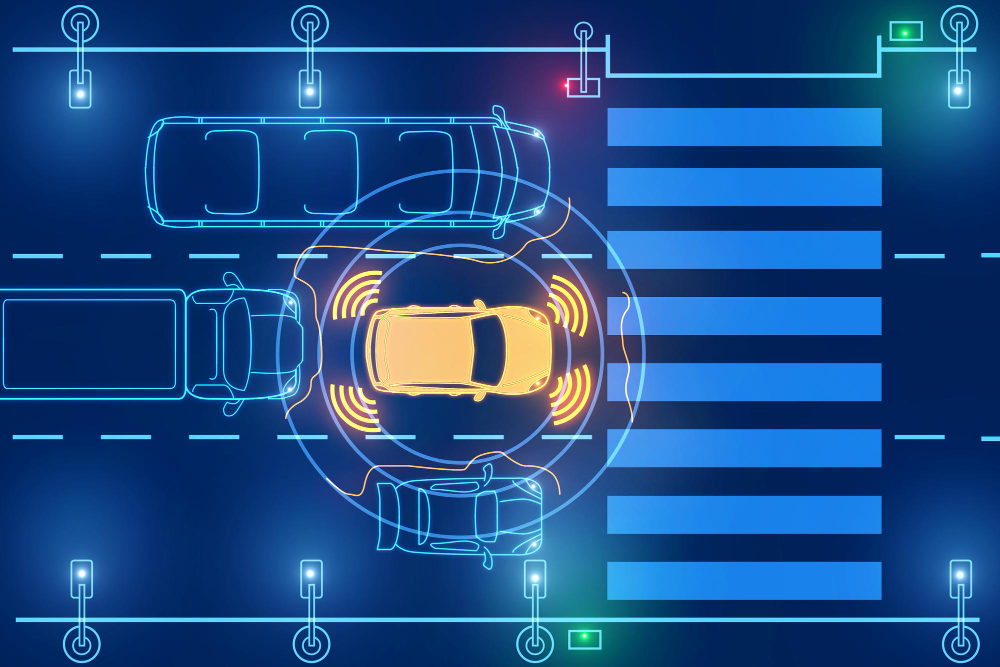
In automotive and commercial vehicle systems, the IO Module is used to interface various sensors and actuators operating at the vehicle level. The module reads real-time input signals from sensors such as door switches, seat occupancy sensors, brake status sensors, temperature sensors, and position sensors. Based on these inputs, the IO Module controls actuators including relays, indicators, buzzers, lamps, and solenoid-based mechanisms. Using CAN-based communication, the IO data is transmitted reliably across the vehicle network for centralized monitoring and control. This enables real-time status updates, faster response to sensor events, and dependable actuator operation, making the IO Module ideal for vehicle body electronics, safety monitoring, and distributed automotive control systems.

 sensor & Actuator interfacing

FAQs

An IO Module is used to read input signals from sensors and control output devices such as relays and indicators. It acts as an interface between field devices and the control system.