Essential Guide to Vaccine Temperature Monitoring: Ensuring Potency through Wireless Automation
The integrity of global healthcare relies on a fragile link known as the cold chain. Vaccines, biological products, and pharmaceutical assets are highly sensitive to thermal fluctuations. Even a minor deviation from the recommended temperature range can render a life-saving vaccine ineffective, leading to massive financial losses and, more importantly, a compromise in public health. As regulatory requirements become more stringent, the shift from manual logging to automated, real-time monitoring is no longer a luxury—it is a necessity. This article explores the evolution of vaccine temperature monitoring and how advanced wireless solutions are safeguarding the future of medicine.
The Challenge: The Failures of Traditional Monitoring
For decades, many clinics, pharmacies, and laboratories relied on manual temperature monitoring. However, this traditional approach is fraught with systemic vulnerabilities:
- Human Error and Manual Checks:Relying on staff to manually record temperatures twice a day leaves room for oversight. If a cooling unit fails shortly after a manual check, the excursion could go unnoticed for 12 to 24 hours.
- Invisible Data Gaps: Traditional data loggers often require manual downloading. This reactive approach means you only discover a temperature breach after it has already occurred, often when it is too late to save the inventory.
- Risk of Temperature Excursions: Power outages, door-ajar incidents, or equipment malfunctions can cause cold chain breaks. Without instant notification, these excursions lead to the disposal of expensive vaccine stocks.
- Regulatory Compliance Burdens: Health authorities, such as the CDC and WHO, require rigorous documentation. Manually maintaining these logs for audits is labor-intensive and prone to data integrity issues.
The Solution: Real-Time Wireless Monitoring
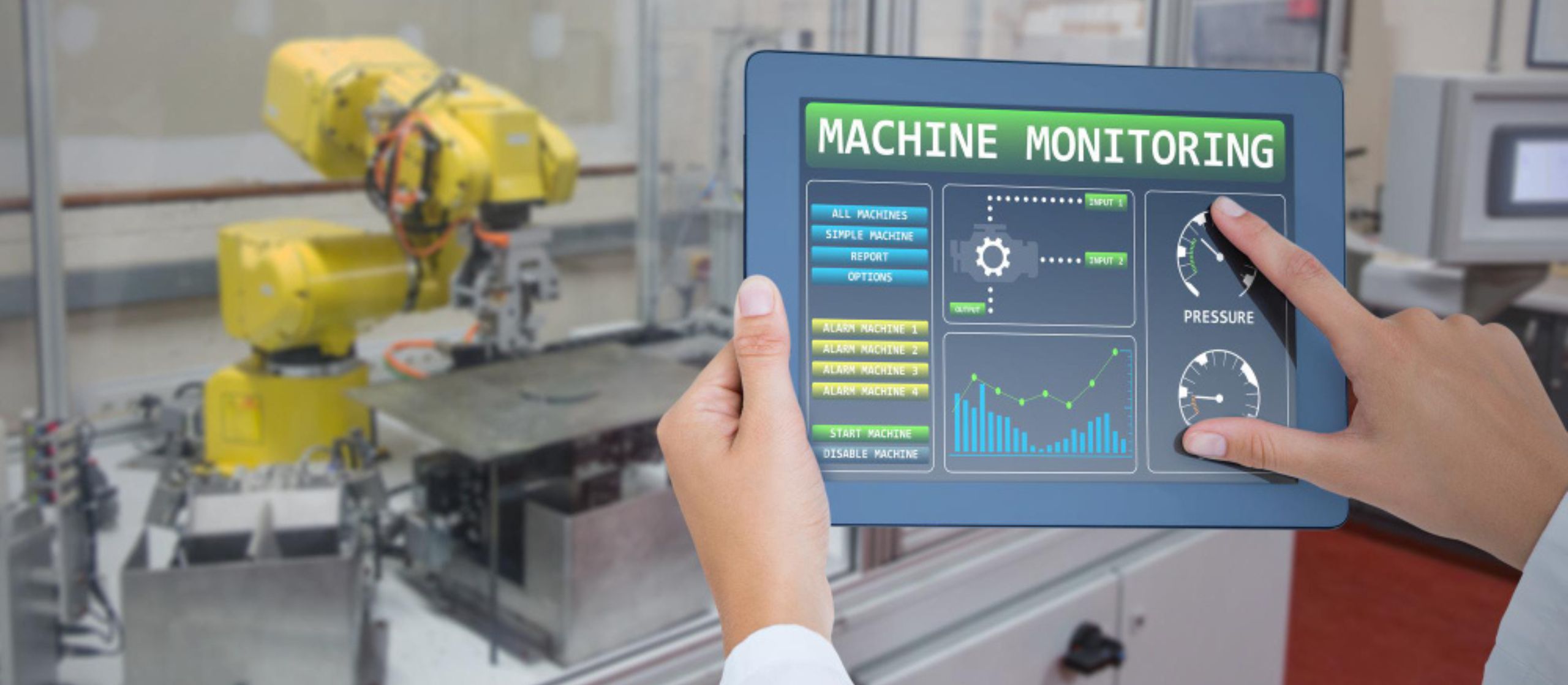
To overcome these challenges, the medical industry is adopting advanced real-time monitoring solutions. By integrating IoT (Internet of Things) technology into the cold chain, facilities can shift from a reactive approach to a proactive one using Precisol’s smart monitoring ecosystem.
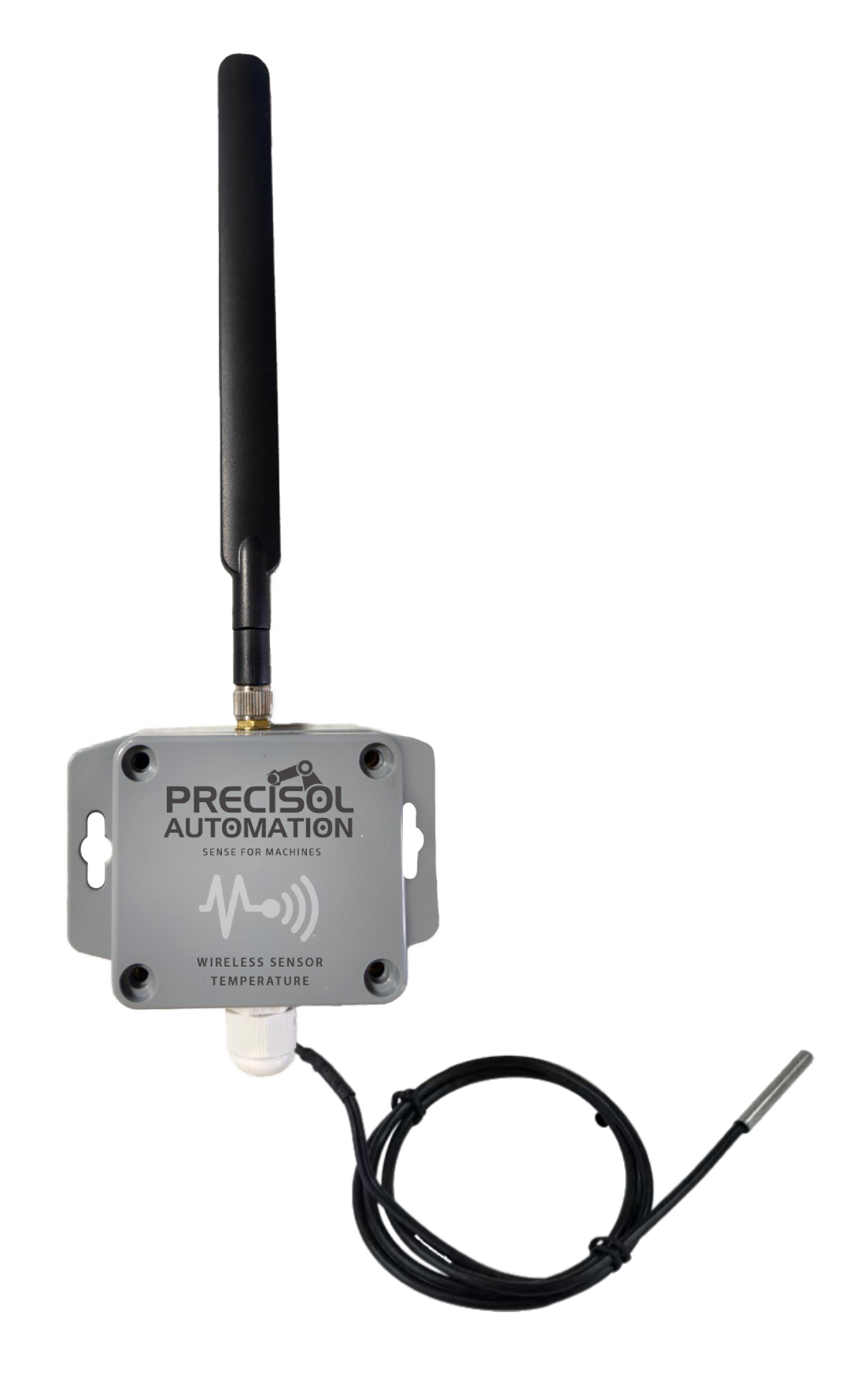
- Precisol Wireless Temperature SensorsHigh-precision Precisol Wireless Temperature Sensors can be deployed across multiple medical refrigerators, freezers, and ultra-low temperature storage units simultaneously. These sensors support the connection of multiple devices within a single monitoring system, enabling seamless temperature tracking across different storage environments. With completely wireless operation, they eliminate the need for complex wiring, allowing quick and hassle-free installation while ensuring accurate, continuous, and centralized temperature monitoring.
- Precisol Wireless GatewayThe sensors communicate seamlessly with Our Wireless Gateway. This central hub collects temperature data from multiple sensors across the facility and securely transmits it to the precicloud in real-time, ensuring uninterrupted data flow.
- PreciCloud Dashboard & Remote MonitoringAll temperature data is pushed to the PreciCloud Dashboard, a powerful cloud-based monitoring platform. Facility managers, lab technicians, and pharmacists can monitor vaccine storage conditions anytime, anywhere via mobile, tablet, or desktop. It provides a single-pane view of the entire cold chain system for easy tracking and management.
- Instant Alerts & NotificationsThis is the most critical feature. Whenever the temperature deviates from the predefined safe range (e.g., 2°C to 8°C for vaccines), instant alerts are triggered. Through real-time push notifications from the Preciview Mobile Application, users are immediately informed, enabling quick corrective actions—such as transferring vaccines to backup storage—before any loss or damage occurs.
Key Features of Advanced Wireless Systems
When selecting a monitoring solution, specific technical features are vital for pharmaceutical applications:
- Ultra-Long Battery Life: Sensors should operate for years without maintenance to ensure uninterrupted data collection.
- Wide Temperature Range: Capability to monitor everything from standard refrigeration to cryogenic storage (-200°C to +150°C).
- NIST Traceable Calibration: Ensuring that the sensors meet the highest international standards for accuracy and reliability.
- Buffer Memory: In the event of a Wi-Fi or internet outage, the sensors should store data locally and sync it once the connection is restored, ensuring no data gaps.
- Encrypted Data Transmission: Protecting sensitive facility data through secure protocols.

The Benefits of Automation
Implementing an automated wireless system offers transformative advantages for healthcare providers:
- Total Peace of Mind: With 24/7 monitoring and instant alerts, the weekend anxiety of potential equipment failure is eliminated.
- Cost Savings: Preventing a single vaccine excursion can save a clinic ten of thousands of dollars, easily covering the ROI of the monitoring system.
- Automated Compliance: Generate PDF or Excel reports for regulatory audits with a single click. No more handwritten logs or missing clipboards.
- Operational Efficiency: Free up medical staff from the mundane task of manual temperature recording, allowing them to focus entirely on patient care.
- Extended Equipment Life: Continuous monitoring can help identify a struggling compressor or seal before it fails completely, allowing for preventative maintenance.
The transition to wireless temperature monitoring represents a critical step forward in pharmaceutical safety. By eliminating the risks associated with manual data entry and providing real-time visibility into storage conditions, systems like those provided by Precisol Automation ensure that vaccines remain potent and patients remain protected. In the modern healthcare landscape, automation is the ultimate safeguard for the cold chain.