Revolutionizing Rail: Locomotive Diagnostics and Predictive Maintenance with the CAN Telematics Gateway
The backbone of global logistics and mass transit, the railway industry, operates under intense pressure for efficiency, safety, and punctuality. A single locomotive failure can cause massive system-wide disruptions, resulting in costly delays and significant maintenance expenditures. Traditionally, rail maintenance has relied on reactive (fixing a component after it breaks) or time-based preventive schedules (replacing a component at fixed intervals). However, neither approach is optimal: reactive maintenance leads to costly downtime, and preventive maintenance often involves replacing components that still have significant service life remaining.
The shift is now toward Predictive Maintenance (PdM). PdM uses continuous data monitoring and advanced analytics to forecast exactly when a component is likely to fail, allowing maintenance to be scheduled optimally. This strategic approach transforms locomotive health management from guesswork into a data-driven science. At the heart of this transformation is a crucial piece of technology: the CAN Telematics Gateway. This article explores how modern rail operators are leveraging this gateway to unlock unprecedented levels of diagnostic insight and operational efficiency.
The Role of the CAN Telematics Gateway
The Controller Area Network (CAN) bus is the central nervous system of any modern vehicle, including a rail locomotive. It’s a robust communication protocol that allows microcontrollers and devices—such as the engine control unit, traction system, braking mechanism, and auxiliary power—to communicate with each other without a host computer. The raw, continuous flow of data on this network holds the key to the locomotive’s real-time operational health.
The CAN Telematics Gateway acts as the essential bridge between this internal, proprietary network and the external digital world. It is designed to connect directly to the locomotive’s CAN bus, where it performs several critical functions to enable PdM:
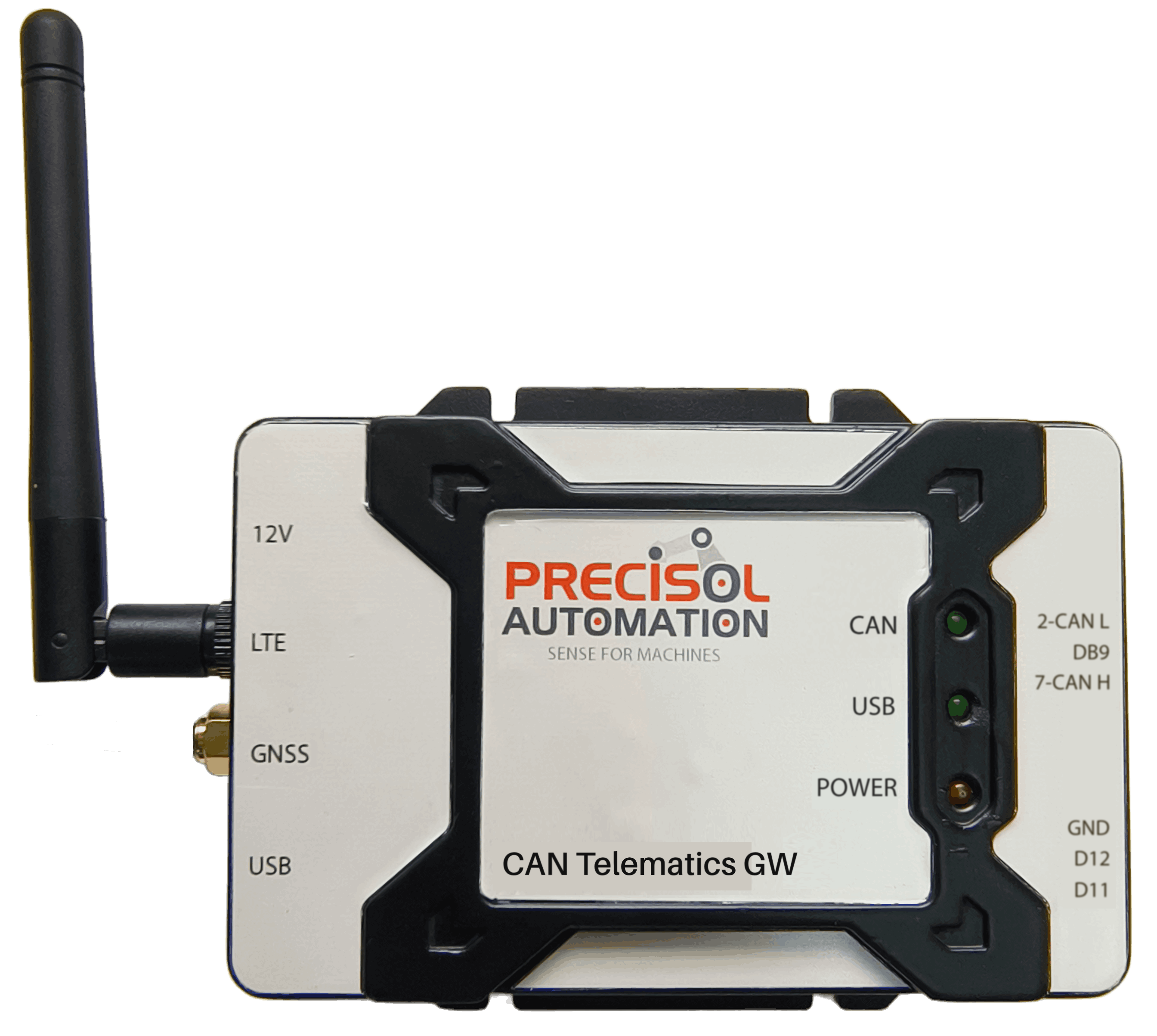
- Raw Data Acquisition: The gateway continuously captures the raw CAN messages—comprising CAN IDs and payload data—transmitted by the locomotive’s myriad sub-systems. This flow includes critical performance indicators like engine RPM, oil pressure, coolant temperature, traction motor current, and battery voltage.
- Intelligent Decoding via DBC File: Raw CAN data is often indecipherable numerical code. To convert this into actionable information, the gateway utilizes a DBC (Data Base CAN) file. The DBC file is a configuration dictionary that defines the structure and meaning of every CAN message ID. By matching the raw CAN IDs with the definitions in the DBC file, the gateway decodes the data into human-readable, meaningful physical values (e.g., converting a raw hex code into a specific reading like “Oil Temperature: 95°C”). This decoding step is what separates a simple data logger from a sophisticated telematics gateway.
- Edge Processing and Filtering: Before transmission, the gateway can process and filter the massive amount of raw data at the source (the “edge”). This reduces data bandwidth usage and ensures that only relevant, condition-based metrics or critical alerts are prepared for upload, maximizing transmission efficiency and minimizing latency.
Data Transmission and Cloud Integration
Once the CAN Telematics Gateway has acquired, decoded, and prepared the locomotive data, the next critical step is secure transmission and integration with a central analytics platform. The gateway leverages its inbuilt cellular connectivity (such as LTE CAT 1 or 4G) to transmit the processed data reliably and in real-time. This secure pipeline ensures that maintenance teams and fleet managers have access to the latest health status, regardless of where the locomotive is on the network. The data is channelled into a secure, customized cloud dashboard—like the PreciCloud system mentioned on the Precisol Automation platform. This cloud integration serves as the central hub for the entire PdM ecosystem:
- Centralized Health Monitoring: The cloud platform consolidates data from the entire fleet, offering a comprehensive, visual overview of asset health. Users can view key metrics, historical trends, and location data from anywhere, at any time.
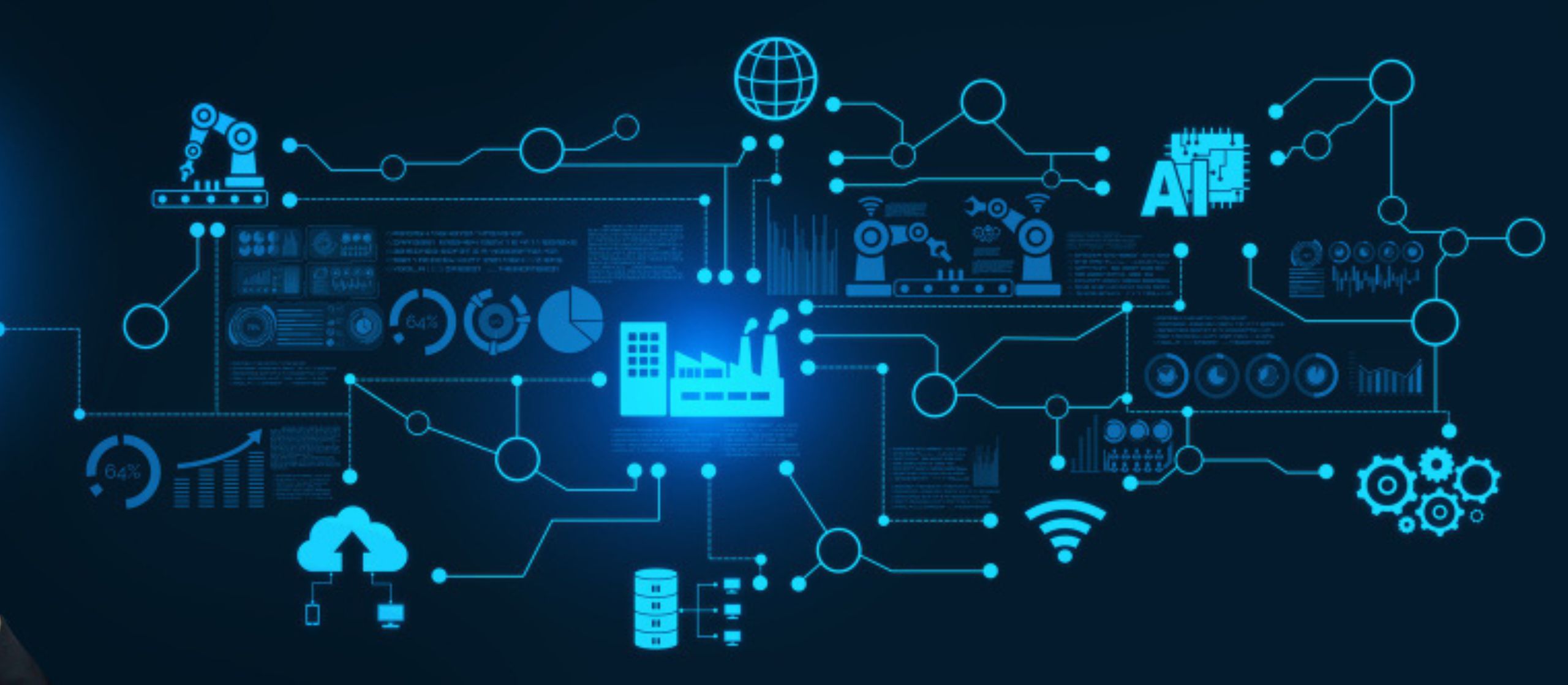
- Advanced Analytics (AI/ML): This is where PdM truly comes alive. Cloud-based algorithms, often powered by Artificial Intelligence (AI) and Machine Learning (ML), analyze the continuous stream of operational data. These models are trained to recognize subtle, pre-failure patterns—an abnormal spike in motor temperature, a slight deviation in vibration frequency, or a gradual change in fluid pressure—that human eyes might miss. When an anomaly is detected, the algorithm calculates the Probability of Failure (PoF) and the Remaining Useful Life (RUL) for the component.
- Remote Management and Security: The cloud link also enables essential features like Over-The-Air (OTA) firmware updates and remote configuration of the gateway itself. This ability to securely update and manage devices hundreds of miles away is essential for fleet scalability and security management. Furthermore, the platform supports automated alerts via email or SMS, immediately notifying personnel of critical faults or predicted failures.
Predictive Maintenance in Action
The integration of the CAN Telematics Gateway and cloud analytics fundamentally alters how railway maintenance is performed. Instead of waiting for a component to fail, maintenance is driven by the asset’s condition, leading to measurable operational improvements. Here are three key areas where PdM using CAN data provides immediate value for rail locomotives:
- Engine Health Prediction: The locomotive engine is the single most expensive component. By continuously monitoring parameters like oil temperature, pressure, coolant levels, and exhaust gas temperatures, the system can predict issues such as bearing wear, combustion problems, or lubrication failure. For example, a sudden, minor increase in oil metal particle count, when correlated with a slight drop in oil pressure, signals impending bearing failure weeks or months in advance, allowing for a planned engine pull and component replacement during a non-peak hour.
- Traction System Integrity: Traction motors and their associated inverters are vital for propulsion. PdM monitors motor winding temperatures, current draw stability, and excessive vibration. An oscillating current draw or a consistent, minor temperature rise can be an early indicator of insulation breakdown or a short circuit. Detecting this allows an operator to derate the locomotive or schedule a replacement before a major electrical fault—a failure that could sideline the entire train.
- Brake and Auxiliary Systems: The safety of a rail journey relies heavily on the braking system. The gateway tracks air brake pressure fluctuations, compressor cycle times, and battery health. Abnormal compressor duty cycles, for instance, can indicate an air leak in the brake lines, while monitoring the battery's state of health (SoH) and charging cycles can predict the failure of the auxiliary power supply. This ensures that safety-critical components are always maintained to the highest standard.

Key Benefits
The adoption of CAN Telematics Gateways for locomotive PdM delivers tangible and significant benefits across the railway operation:
- Reduced Downtime and Increased Availability: By scheduling repairs based on actual component condition rather than fixed calendars, unscheduled breakdowns are drastically minimized. This ensures higher locomotive availability and fewer revenue-losing delays.
- Optimized Maintenance Costs: Replacing components just before they fail maximizes their service life, reducing unnecessary parts replacement and minimizing labor costs associated with emergency repairs. Maintenance effort shifts from reactive fire-fighting to efficient, scheduled service.
- Enhanced Operational Safety: Continuous, real-time diagnostics of critical systems—especially braking and power systems—improves the overall safety profile of the fleet, reducing the risk of catastrophic failures.
- Improved Fleet Management: The centralization of all fleet health data in a cloud environment provides fleet managers with a powerful, comprehensive tool for managing assets, optimizing routes, and making informed capital expenditure decisions.
In conclusion, the integration of technology like the CAN Telematics Gateway is not just an upgrade; it is a fundamental evolution of rail asset management. It transforms massive, complex locomotives into connected, intelligent assets, paving the way for safer, more reliable, and vastly more efficient railway operations globally.